


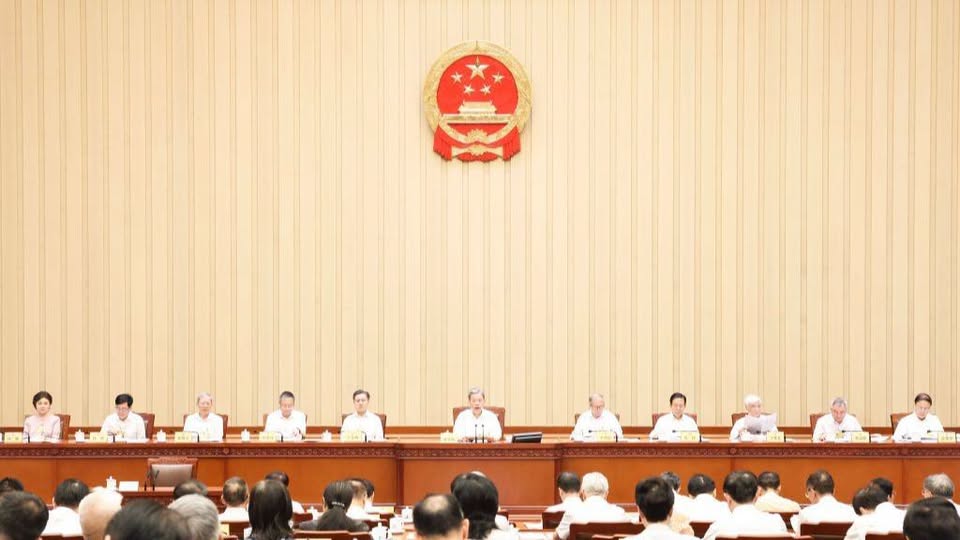
China has taken a new step toward strengthening its legal framework for combating corruption across borders, as the Standing Committee of the National People’s Congress began reviewing a draft law on countering transnational corruption on August 25.
The draft legislation contains six chapters and 47 articles. It is designed to establish clearer rules governing China’s efforts to prevent and combat transnational corruption, while defining the scope, principles and institutional responsibilities involved.
Among other provisions, the proposed law seeks to improve mechanisms for handling transnational corruption cases and enhance international cooperation in the fight against corruption. The legislation is also expected to clarify the roles of relevant authorities and strengthen coordination in addressing corruption-related activities with an international dimension.
The move comes as China seeks to develop a more systematic and comprehensive legal framework for dealing with corruption cases involving foreign-related elements. The proposed legislation would provide a clearer legal basis for prevention, investigation, case handling and cooperation with other countries and international organizations.
Once adopted, the law is expected to become an important component of China’s broader anti-corruption efforts, particularly in addressing increasingly complex cases that cross national borders.
The review of the draft law by the National People’s Congress Standing Committee therefore marks a significant step toward strengthening China’s capacity to combat transnational corruption through a more coordinated and comprehensive legal approach.
À propos de l'auteur