

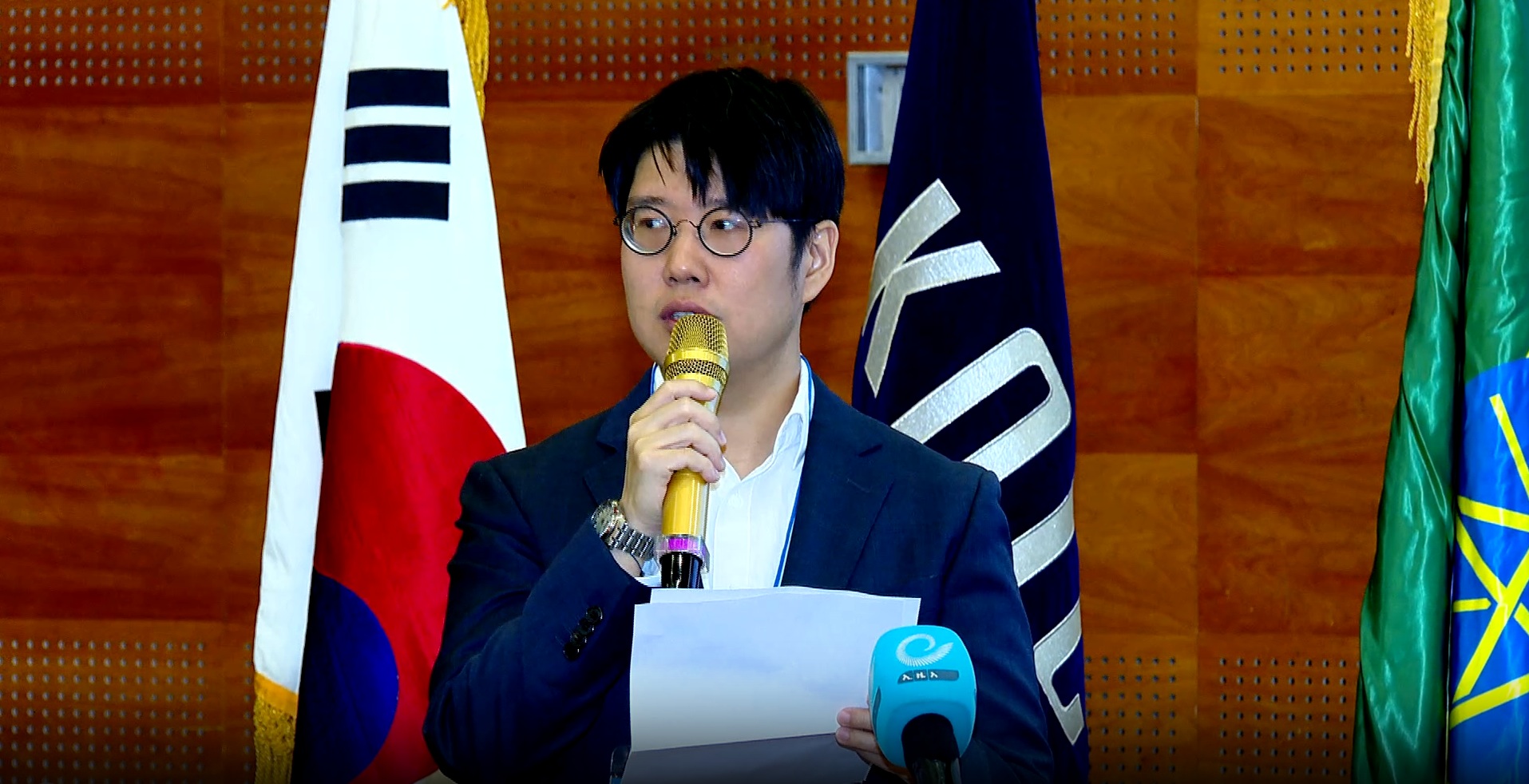
Ethiopia’s ongoing digital transformation agenda is gaining recognition as a key enabler of efficient public service delivery and reduced corruption, Korea International Cooperation Agency (KOICA) Deputy Country Director Park Youngshin said.
Speaking at the first KOICA alumni seminar on “Digitalization in Ethiopian Public Services: Implications for Corruption Prevention,” he stated that the forum aimed to promote knowledge exchange among alumni and highlight key national priorities, with a particular focus on digital transformation in Ethiopia.

Youngshin emphasized on the need to scale up digital identification systems, infrastructure gaps, and enhance cross-sector collaboration to sustain the progress.
“Digitalization plays a vital role in development and anti-corruption efforts” he said, adding that Ethiopia is well-positioned to achieve significant progress in the near future.
Ethiopia is currently advancing its digital transformation agenda under the Digital Ethiopia 2030 Strategy, which aims to improve service delivery, enhance transparency, and promote inclusive development.

“When digitalization is effectively integrated into public service delivery, it reduces inefficiencies, minimizes opportunities for corruption, and builds public trust,” Yohannes said.

He pointed out to initiatives such as the integrated service platforms Mesob and the digital ID system Fayda as key tools for streamlining services and reducing costs and delays for citizens.
Finally, the discussants stressed the importance of learning from global and African digital governance trends to maximize the benefits of Ethiopia’s ongoing transformation efforts.
Recalled that the knowledge-sharing seminar was organized by KOICA under its Fellowship Program, as part of the Capacity Improvement and Advancement for Tomorrow (CIAT) initiative, which aims to strengthen institutional capacities and promote sustainable development.
À propos de l'auteur