

Kenya is viewing zero-tariff access to the Chinese market as more than a trade incentive, seeing it instead as a strategic opportunity to strengthen export competitiveness, promote industrial value addition and expand the reach of Kenyan products, a senior government official has said.
Regina Ombam, principal secretary of Kenya’s State Department for Trade, said the arrangement gives Kenyan businesses an important platform to access China’s vast consumer market while showcasing the country’s high-quality products.
Speaking in a recent interview with Xinhua, Ombam said Kenya’s focus under the Early Harvest arrangement, which took effect on May 1 with zero tariffs on eligible products, is to use the preferential access to make Kenyan exports more competitive.
« I think when we got into the Early Harvest arrangement, which was taking effect from May 1 with the zero tariff, our big thinking was around how do we make Kenya competitive? » she said.
Ombam said the agreement should not be viewed simply as a new export channel, but as an opportunity for Kenya to demonstrate the quality and uniqueness of its products to Chinese consumers.
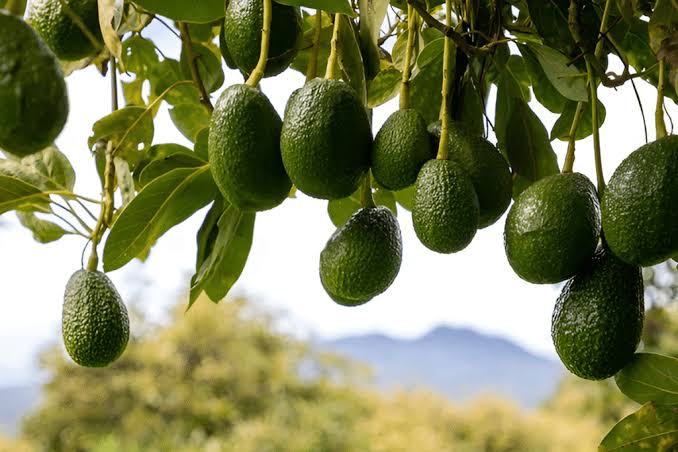
Kenya is particularly well positioned in agriculture, with products such as tea, avocados and fresh vegetables benefiting from growing demand in China.
« Everybody says Kenyan tea is good quality; Kenyan tea is the best, » Ombam said, describing access to the Chinese market as a major opportunity for the country’s tea industry.
She also pointed to changing consumer preferences in China, including growing interest in organic and « farm-to-table » food, as an opportunity for Kenyan farmers and exporters.
However, Ombam stressed that Kenya’s ambitions extend beyond exporting raw agricultural commodities. She said stronger cooperation with China is also supporting technology transfer, manufacturing and the development of industrial parks.
Kenya wants to transform its economy from one heavily dependent on raw materials into an increasingly industrialized and export-oriented economy in which products undergo greater processing and value addition before reaching international markets.
« When we move our economy to think export, think industry, then we are basically now saying we are transforming the economy from dependence on just raw materials to now invest and engage and move towards industrialization, » she said.
According to Ombam, adding value to Kenyan products will enable the country to capture a larger share of the economic benefits generated along the production chain while creating opportunities for jobs, investment and technological development.
She also praised China’s practical approach to innovation and its emphasis on efficiency, saying Kenya sees the relationship as a partnership that can contribute to the country’s long-term economic transformation.
« We are looking at China as a partner that is able to actually see us grow, which is a very good thing for us, » she said.
Ombam added that Kenya is learning from China’s experience in developing practical and efficient solutions that are adapted to local circumstances.
Beyond the Chinese market itself, Kenya is positioning itself as a gateway for investors seeking access to wider African markets. The country offers links to the East African Community, the Common Market for Eastern and Southern Africa and the African Continental Free Trade Area.
This regional connectivity, combined with preferential access to China, could strengthen Kenya’s appeal as a base for companies seeking to manufacture, process and distribute goods across Africa and beyond.
For Kenya, the zero-tariff arrangement therefore represents more than improved market access. It is part of a broader strategy to turn trade into a driver of industrialization, encourage investment in value-added production and position Kenyan businesses to compete more effectively in global markets.
À propos de l'auteur