

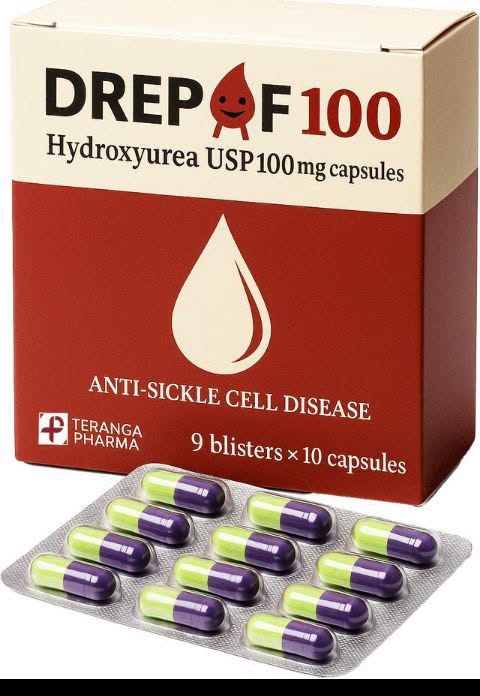
Senegal is taking a significant step toward strengthening its pharmaceutical sovereignty with the local production of DREPAF, a sickle-cell treatment based on hydroxyurea and developed by Teranga Pharma in Dakar.
The initiative represents a growing ambition across Africa to reduce dependence on imported medicines while building stronger local pharmaceutical manufacturing capacity.
DREPAF is being positioned as a Senegalese response to one of the continent’s major public-health challenges. By producing a treatment locally, the initiative could contribute to improving access to essential medicines while reducing some of the vulnerabilities associated with reliance on international supply chains.
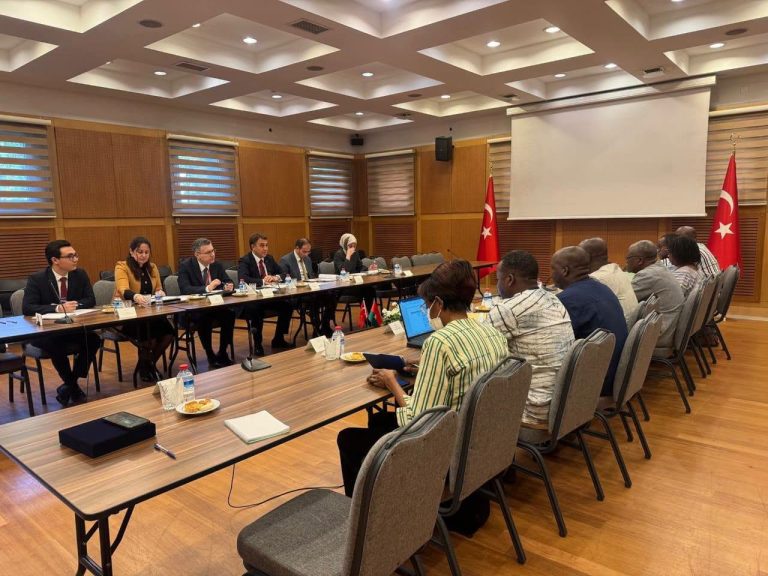
According to Teranga Pharma, the project has already attracted interest from several African countries, including Burkina Faso, Guinea, the Democratic Republic of Congo, Gabon and Cameroon.
A step toward pharmaceutical sovereignty
For Senegal, the development of DREPAF goes beyond the production of a single medicine. It reflects a broader strategy to develop local expertise, strengthen industrial capacity and retain a greater share of the economic value generated by the pharmaceutical sector within Africa.
The continent remains heavily dependent on imported medicines and pharmaceutical products. Expanding domestic production could therefore play an important role in making supply chains more resilient, particularly when global disruptions affect the availability and price of essential treatments.
The Senegalese initiative also highlights the potential of African pharmaceutical companies to develop products adapted to the health needs of their own populations and, eventually, to serve regional markets.
From Senegal to the African market
Interest from countries across West and Central Africa could give the project a regional dimension if production is successfully scaled up and the necessary regulatory and quality requirements are met.
Such expansion would potentially allow Senegalese pharmaceutical expertise to reach a wider African market while encouraging greater cooperation among countries seeking to strengthen their health-security systems.
For patients living with sickle-cell disease, increased and more reliable access to treatment could have a direct impact on continuity of care. Hydroxyurea is an established medicine used in the management of sickle-cell disease, although its availability and use vary considerably across African health systems.
An African response to an African challenge
The development of DREPAF comes at a time when pharmaceutical sovereignty has become an increasingly important issue across the continent. The COVID-19 pandemic exposed the risks created by excessive dependence on external suppliers and reinforced calls for greater local production of medicines, vaccines and other health products.
Senegal’s experience with DREPAF could therefore serve as an example of how investment in local pharmaceutical manufacturing can combine public-health objectives with industrial development.
If successfully scaled, the initiative could help improve medicine availability, strengthen African manufacturing capabilities, create skilled jobs and keep more economic value within the continent.
More broadly, DREPAF embodies a growing continental ambition: African countries should not only consume medicines produced elsewhere, but increasingly have the capacity to research, manufacture and distribute treatments for their own populations and regional markets.
In that sense, Senegal’s pharmaceutical initiative is about more than one medicine. It is a step toward a health system in which African solutions play a greater role in addressing African health challenges.
À propos de l'auteur